
Adapting your talent acquisition strategy for flexible work requires a shift from location-based sourcing to a digital-first, results-oriented framework. To succeed, HR personnel must implement asynchronous communication channels, invest in robust cloud-based recruitment software, and transition from "cultural fit" to "cultural contribution" evaluations. By prioritizing transparency in flexible policies and leveraging borderless hiring pools, organizations can secure top-tier talent regardless of geographic constraints.
The New Frontier: Why "Flex" is No Longer Optional
The global workforce has undergone a fundamental shift. What was once a perk, working from a home office or setting one's own hours, has become a baseline expectation for high-performing professionals. For HR leaders, this shift isn't just about changing where people sit; it’s about a total overhaul of the recruitment process to ensure that the journey from candidate to employee reflects the flexibility promised in the job description.
Traditional hiring relied on the "local hero" model. You looked for the best person within a 30-mile radius of the office. Today, that radius has exploded into a global marketplace. This expansion offers incredible opportunities for diversity and skill acquisition, but it also creates immense pressure on internal systems. If your internal workflows are still tethered to manual paperwork, physical signatures, or "in-person only" interview rounds, you are likely losing top talent to more agile competitors.
Digital Sourcing and the Death of Geographic Boundaries
The first step in adapting is redefining your sourcing pool. When physical presence is no longer a requirement, the way you recruit must become more targeted based on skills rather than proximity.
-
Global Talent Pools - You are no longer limited by who can commute to a city center. This allows for a more diverse workforce, bringing in perspectives from different regions and backgrounds.
-
Passive Sourcing - In a flex-first world, top talent isn't always looking. Use social listening tools and niche professional networks to find individuals whose lifestyle preferences align with your remote-first or hybrid model.
-
Niche Job Boards - Move beyond the giants. Look for platforms specifically dedicated to remote work to find candidates who are already proficient in managing their own time and output.
Streamlining the Candidate Experience via Automation
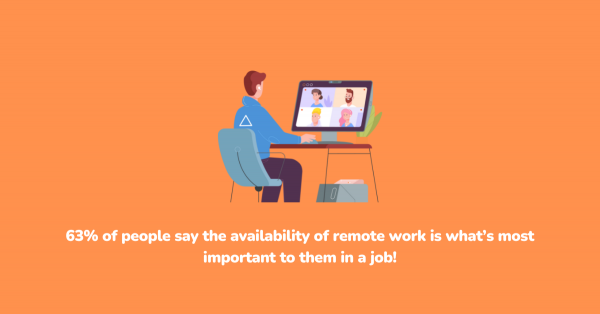
To manage a global or flexible workforce, your internal tech stack must be flawless. The modern hiring methods used by leading firms focus heavily on removing friction. Candidates who value flexibility also value their time; a clunky, multi-stage application that requires re-typing a resume will result in high drop-off rates.
The Role of Applicant Tracking Systems (ATS)
An effective applicant tracking system acts as the central nervous system for your hiring team. In a flexible work environment, stakeholders (hiring managers, department heads, and HR) might be in different time zones. Having a centralized "source of truth" where everyone can see candidate status, interview notes, and assessment scores is vital.
Asynchronous Interviews
Video introductions and recorded assessments allow candidates to showcase their skills on their own schedule. This is the ultimate "flex-friendly" move. It respects the candidate's current work-life balance while allowing your team to review submissions during their own productive hours.
Evaluating for "Remote-Ready" Competencies
When you hire for a flexible role, the skills you look for change. While technical proficiency remains a constant, "soft skills" move to the forefront. You aren't just looking for someone who can do the job; you are looking for someone who can do the job without a manager looking over their shoulder.
Key traits to look for include:
-
Written Communication - In a world of Slack and email, the ability to convey complex ideas clearly in writing is non-negotiable.
-
Self-Motivation - Does the individual have a track record of meeting deadlines without direct supervision?
-
Proactive Problem Solving - When a remote worker hits a snag, do they wait for instructions, or do they seek out solutions?
-
Tech Fluency - Can they troubleshoot their own basic connectivity or software issues?
Overhauling the Interview Structure
The traditional four-hour, in-office "super day" is a relic of the past. To adapt to a flexible model, consider these adjustments:
-
The "Work Sample" Approach - Instead of hypothetical questions, provide a small, paid task that mimics the actual work they would do. This demonstrates their ability to function in a remote environment.
-
Panel Diversity - Ensure that your virtual panels include people who actually work in different modes (fully remote, hybrid, and office-based) so the candidate can ask honest questions about the culture.
-
The "Connection" Check - Use a portion of the interview to discuss how they stay connected with teammates. This helps gauge whether they will thrive or feel isolated in a flex setup.
Onboarding: The Critical First 90 Days
Adaptation doesn't end when the contract is signed. Flexible work requires an intentional onboarding experience. Without the "watercooler effect," new hires can easily feel adrift.
-
Digital Welcome Kits - Ensure hardware and software access are ready on day one. Shipping a laptop should happen a week before the start date.
-
The "Buddy" System - Assign a peer mentor specifically to help the new hire navigate the unwritten rules of the company’s digital communication.
-
Clear Success Metrics - In a flexible environment, "face time" is gone. New hires need to know exactly what they are being measured against. Documented KPIs (Key Performance Indicators) provide peace of mind for both the employee and the manager.
Legal and Compliance Considerations
Flexibility often brings complexity in terms of employment law. If you are hiring across state or national lines, your HR department must be prepared for:
-
Tax Implications - Where the employee sits is where the taxes are usually owed.
-
Benefits Parity - How do you offer equivalent benefits to someone in London versus someone in New York?
-
Data Security - Remote work increases the surface area for cyber threats. Your hiring process must include a rigorous check of the candidate's home setup or the provision of secure, company-managed hardware.
Marketing Your Flexibility
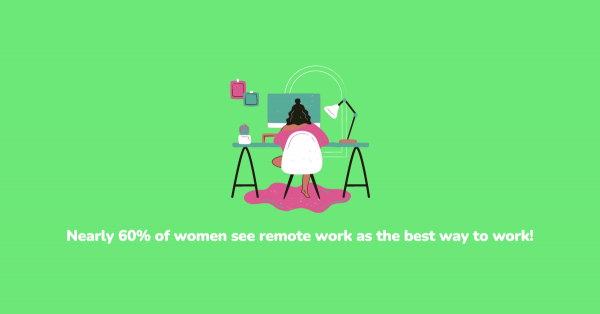
Finally, ensure your employer brand reflects your reality. If you offer "work from anywhere" but your job descriptions still list a specific office address, you are confusing your audience.
-
Be Explicit - Use phrases like "Asynchronous First," "Core Hours 10-2 EST," or "100% Remote" at the very top of your postings.
-
Show, Don't Just Tell - Use your social media channels to show photos of your team’s varied home offices or "work-ations."
-
Testimonials - Feature stories from current employees who have used the company’s flexibility to achieve a better work-life balance, such as parents or those pursuing further education.
Traditional vs. Flexible Talent Strategies
|
Feature |
Traditional Approach |
Flexible Adaptation |
|
Sourcing |
Local, office-centric |
Global, skill-centric |
|
Interviews |
In-person, synchronous |
Virtual, often asynchronous |
|
KPIs |
Hours worked/Face time |
Output and goal completion |
|
Tooling |
Physical files, local servers |
Cloud-based ATS, Slack, Zoom |
|
Culture |
Office events, snacks |
Intentional digital connection |
The Future of the Industry
The shift toward flexibility is a net positive for the talent landscape. It forces organizations to become more intentional, more documented, and more result-oriented. For HR professionals, the goal is to create a seamless experience that treats every candidate with the same level of respect and professionalism, regardless of their physical coordinates.
By refining your digital infrastructure and leaning into modern tools, you ensure that your organization remains a destination of choice for the world's best talent. Flexibility isn't just a policy, it’s a mindset that begins the moment a candidate sees your job opening.
Why OrangeHRM?
Optimizing your recruitment process for a flexible work environment requires the right tools and resources. OrangeHRM offers a comprehensive Human Resource Management System (HRMS) with a modern ATS that can empower your organization to excel in remote recruitment.
With OrangeHRM, you can build a talent pipeline, attract top candidates seeking flex work opportunities, and manage your recruitment process effectively, regardless of location. Explore OrangeHRM's solutions and discover how they can help you navigate the exciting world of remote hiring. Book your FREE demo today!